Androgenetic Alopecia
Causes of Androgenetic Alopecia
There are many causes of hair loss. In the case of most men with hair loss the condition is hereditary. The genes for male pattern baldness can be inherited from either side of the family. The medical term for male pattern baldness is Androgenetic Alopecia. This type of hair loss is caused by the hormone Dihydrotestosterone (DHT).
Myths about Androgenetic Alopecia
There are many myths about the causes of hair loss. It is most definitely NOT caused by poor circulation, clogged hair follicles, mites, shampooing too often or wearing hats and helmets. A healthy diet can improve the quality of hair, but not the quantity. Stress alone does not usually cause hair loss.
Cures for Androgenetic Alopecia
There is no scientifically proven cure for androgenetic alopecia.
Androgenetic Alopecia treatment options
The FDA is the Food and Drug Administration in the US. It has approved two medicines to treat androgenetic alopecia. They are most effective when used together. This medical treatment for hair loss has been successful for many of our patients.
Hair transplant surgery is a permanent treatment for patients with androgenetic alopecia. The hair that is transplanted is not affected by the balding process. It is taken from the back and sides of the head which are unaffected by the condition. The transplanted hair, once established, will normally remain on the patient’s head for the rest of their life.
FAQ Videos
Alopoecia Areata

Alopecia Areata (AA) is a hair loss condition. It most commonly affects scalp and beard hair but can also affect other areas of hair on the body.
A large proportion of those suffering from AA have a family history of the condition. This is particularly true for those who are affected early on.
While the cause in not currently known, AA is generally believed to be an autoimmune disease. Many who suffer from it also suffer from other autoimmune diseases such as ulcerative colitis.
AA affects 0.1-0.2% of the population at any one time. It has a lifetime risk of 1.7%. 60% of patients experience their first episode under the age of 20. Patients often present with a sudden episode of hair loss, usually in round or oval patches. Sometimes the whole scalp or even the whole body hair may be lost.
Alopecia Areata – Treatment Options
Early treatment is advisable. Patients are advised to consult their GP as early as possible.
Speak to a surgeon today about your treatment options
Many treatment options for AA have been developed. This can include a course of steroids, the use of topical Minoxidil or phototherapy. No one treatment is effective in all cases. Some individuals may show no response to any treatment.
Early treatment is advisable. Patients are advised to consult their GP as early as possible for referral to a clinical dermatologist or immunologist.
Hair Transplant Surgery as a treatment for AA
Hair transplant surgery has little, or no, role in the treatment of this condition. This is because the transplanted hairs are destroyed by the same process. Therefore, the results do not last.
If the process is no longer active, persisting areas of hair loss can be successfully treated with hair transplantation. It is difficult to confirm with any certainty when the process is no longer active. As a result, hair transplant surgery in these cases is rare.
Post-Operative Instructions
Home care information for patients following hair transplant surgery
Dr. Maurice P. Collins
F.R.C.S.I., D.L.O., F.R.C.S.Ed, F.R.C.S.
Hair transplant surgery is a delicate procedure. Your adherence to these post-operative instructions is essential for optimal results. It is our aim that you are pleased with the care you receive, and we encourage you to contact us with any problems or questions. If you have any problems following the surgery please call HRBR’s office number below. If the office is unattended and you have an urgent problem, please contact the mobile number of your attending surgeon.
Office hours contact (8a.m. – 5p.m.):

Tel: +353 (0)1 209 1000

E-mail: info@hrbr.co.uk
Post- Operative Care
Immediately Post OP
- A spray bottle and a water solution are supplied on discharge. You may use tap water when the solution provided is finished.
- You will need to spray the transplanted area and the donor every 20 minutes for the first 12 hours. When doing this put some towels around your shoulders and let all the water drip down
- You will need to spray vigorously, use both hands to ensure that you cover all the transplanted and donor area. Do not touch the transplanted hair
- Once you have completed the 12 hours of spraying you should sleep for a few hours
- Drink plenty of water during this time and eat as normal
- You may store the 1L solution bottle in the fridge
- Premedication is given during surgery and it is important that following your procedure you do not drive and that you are accompanied by a responsible adult on leaving the clinic.
Day 1 to day 3
- On day 1 (day after the surgery) to day 3, you should spray half hourly during your waking hours and sleep as normal at night
- You may use tap water when the solution provided is finished
- Spraying prevents any scab formation on the transplanted area and on the donor area. The transplanted grafts also need to be kept hydrated throughout this period, this is essential for their survival
Day 4- Day 14
- You will commence a tea tree shampoo regime on day 4
- Fill a clean bowl with tepid water, put 10 mls of shampoo in and mix it up to make it quite soapy and with a cup or bowl, pour the solution over the transplanted area and the donor area, and rinse off any soapy solution. You may pat it gently with a clean towel
- This should be done once a day from day 4 up until day 14
- Note: Do not stand under a power shower and
- You may continue spraying the donor area during day 4 to 14 to relieve any itchiness. You may keep the spray bottle in the fridge
- Your stitches (if applicable) will need to be removed between day 7 and day 10. It is advisable to return to HRBR to have these removed
- For FUE patients please attend the clinic for a post-operative check appointment two weeks post op
- FUE patients may occasionally develop yellow crusting on the recipient area approximately 7 – 10 days post op. This is not a cause for concern and will resolve after day 14
- It is advisable to start using Regaine after day 14 to enhance the growth, this should be used at night only on the transplanted area and this can be used for 6 months or continuously post operatively
Day 14 and after
- You may return to your normal hair washing regime, finish using the tea tree shampoo, return to your previous shampoo, wash the hair vigorously using both hands this will remove any crusts in the area. At this stage you may get your hair cut, colour your hair and resume using products like gels and hair sprays. For FUT patients we recommend a scissor cut only.
- It is recommended to avoid strenuous physical activity for 4 weeks post operatively for FUT (2 weeks for FUE); you should avoid gym work, swimming, cycling, tennis, golf, any heavy lifting, strenuous hill walking. This is to avoid any stretching of the scar
- When you return to physical activity you should start off lightly and build up slowly to your previous activity levels
Patients may experience the below immediately following surgery;
- Swelling: This can usually occur 24 to 48 hours after the surgery. You may notice some swelling in the forehead, which may travel down towards the eyelids. This swelling maybe asymmetrical. This will resolve itself, without intervention, usually 48 to 72 hours after it begins.
- Bleeding: there may be some bleeding directly after the surgery from the donor area, if any bleeding occurs, it is important to apply pressure with some gauze for as long as it takes to settle
- Pain: sometimes pain can occur in the donor and the transplanted area, Solpadine and Nurofen are recommended for this, and you can take these alternating every 3 hours. Please see specific instructions about pain relief provided
- Numbness/ tingling sensation in the recipient area sometimes occurs, this will resolve without intervention. It can last from weeks to months
- Infection: There is a very slight risk of infection as with any surgery. You should return to the clinic if you feel there is any signs of infection such as localised redness, or pain
For Your Information
- It is important to note that the transplanted hair will be fully embedded after day 14, that is why you can resume your normal activities at this stage
- The transplanted hair will begin to fall out, usually 2 to 4 weeks after the surgery. You will start to see the hair grow from 6 months after the surgery, this hair will be very fine and minute at first
- At 9 months 70% the hairs will have appeared, however they won’t be fully grown, it will take up to 18 months for full growth to occur
- Shedding of the native hair can also sometimes occur post operatively. This is quite rare and if it occurs it will always re-grow
Note on going on holidays post operatively
- It is possible to go on holidays after the surgery, it is important not to get a sun burn on the scalp as this will damage the skin. Do not swim in swimming pools with chlorine in the first 14 days as the chemicals may damage the grafts, it is however safe to swim in the sea in the first 14 days
- Do not dive
- After day 14 you can swim in swimming pools and apply sun lotion to the scalp and wear a hat if needed. It is advisable to always wear a cap in the sun after day 14. If you are in the sun prior to day 14, you must sit under an umbrella and avoid sitting in direct sun light for long periods
Office Hours Contact:
telephone: +353 1 2091000
e-mail: info@hrbr.co.uk
Pre-Operative Instructions
We advise patients to attend a pre operative appointment prior to surgery, this allows the nursing team to do the following:
- Design planning
- Assessment of your donor hair
- Medical assessment
These are all important aspects in preparation for hair transplant surgery with HRBR.
Please bring a list of any medications you are taking to this appointment.
This appointment will provide you the opportunity to discuss your surgery in more detail, any questions you may have will be answered. All instructions relating to your surgery will be given at this appointment.
Prior to surgery patients should do the following:
- For patients undergoing an FUT procedure keep 2-3 cm length in your hair prior to the surgery, this will ensure the stitches will be hidden post operatively
- For all patients we recommend commencing flexibility exercises in advance of your procedure, please see the HRBR website for instructions – Please ensure to focus on both the back and sides of the scalp. Scalp Massage
- For patients undergoing an FUE procedure please note in most cases the entire head must be shaved to a blade 0 on the day of the procedure
- Stop using Regaine 1 day before
- You can continue taking Finasteride and oral Minoxidil (Loniten) as normal (if prescribed).
- Please stop taking any vitamins and supplements 1 week before
- Start using Tea-Tree shampoo 1 week before your surgery. This is available in all pharmacies and any brand of tea tree shampoo is suitable
- A pre-medication of allopurinol 300mg and valium 5mg should be taken between 6pm and 7pm the evening before your surgery and you should be in for the evening either at home or at your hotel before it is taken.
- This is normally provided to you at your preoperative appointment; however you may need to collect this pre-medication during office hours if you have not already received it.
- Do not drink alcohol for 48 hours before your surgery
- Eat a substantial breakfast before you arrive
- Please read your consent form before you attend for surgery
- Please contact the nursing staff with any queries you have
- Premedication is given during surgery and it is important that following your procedure you do not drive and that you are accompanied by a responsible adult on leaving the clinic.
Scalp Massage
The only limiting factor for a hair transplant is the amount of available donor hair each patient has. The number of grafts that can be taken during a Follicular Unit Transplantation “FUT” transplant is affected by the flexibility of the scalp in the donor region, i.e. at the back and sides of the head. The more flexible the scalp, the easier it is for the surgeon to close the suture line. This means that it should heal better and should result in a smaller scar.
We recommend that patients undergoing an FUT procedure carry out a scalp massage twice a day for as long as possible prior to the procedure.
This video demonstrates the scalp massage technique. If you have any questions about scalp massage, please do not hesitate to contact the clinic.
Scalp Massage Technique
Hair Classification
The Norwood Classification
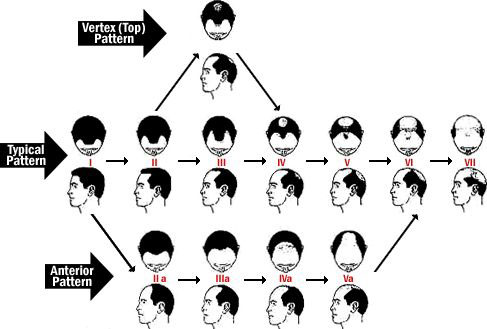
A system of hair loss classification is a useful way to help doctors compare patients. The Norwood Classification is the most commonly used for male pattern baldness.
There are two basic patterns, the most common of which is where hair loss starts in two different areas – the temples and the crown of the head.
Less common patterns feature the hair loss progressing from the front to back.
Non-genetic hair loss from other causes usually follows a completely different pattern again.
Overall Bryan is absolutely delighted that he went ahead with the procedure which was a big decision for him at the time
Bryan Robson
Explanation of Classifications
The Norwood Classification is a system of hair loss classification is a useful way to help doctors compare patients
Speak to a surgeon today about your treatment options
Type I
- No recession
- “Adolescent” hairline
Type II
- Temporal recession less than 2.5cm
- Mild recession along frontal hairline
- “Mature” hairline
Type III
- Further frontal hairline recession
- Deeper recession at corners, “zipper” opening
- Primary stage of balding
Type III Vertex
- Hairloss predominantly in vertex (crown)
- Frontal hairline recession may be present
Type IV
- Further frontal hair loss and temporal recession
- Enlargement of crown (bald spot)
- Solid band of hair across top separating the frontal area from the crown
Type V
- Frontal and temporal balding areas enlarge even further
- Band separating the two areas becomes narrower and less dense
Type VI
- Frontal and crown balding areas merge into one and increase in size
Type VII
- Only a narrow horseshoe band of hair remaining
- Low hairline in the back
- Hair in permanent zone may be sparse
Type A Variant
- Frontal hairline recession keeps advancing backwards
- Single area of balding
- Eventual extent of balding tends to be more limited than in regular Norwood classes
Type IIa
- Entire frontal hairline recedes
Type IIIa
- Frontal hair loss extends to the mid scalp
Type IVa
- Hair loss moves past mid scalp area
Type Va
- Hair loss extends towards the crown
- Back part of the bald area is narrower than in the regular Norwood VI
Hair Shedding “Effluvium”
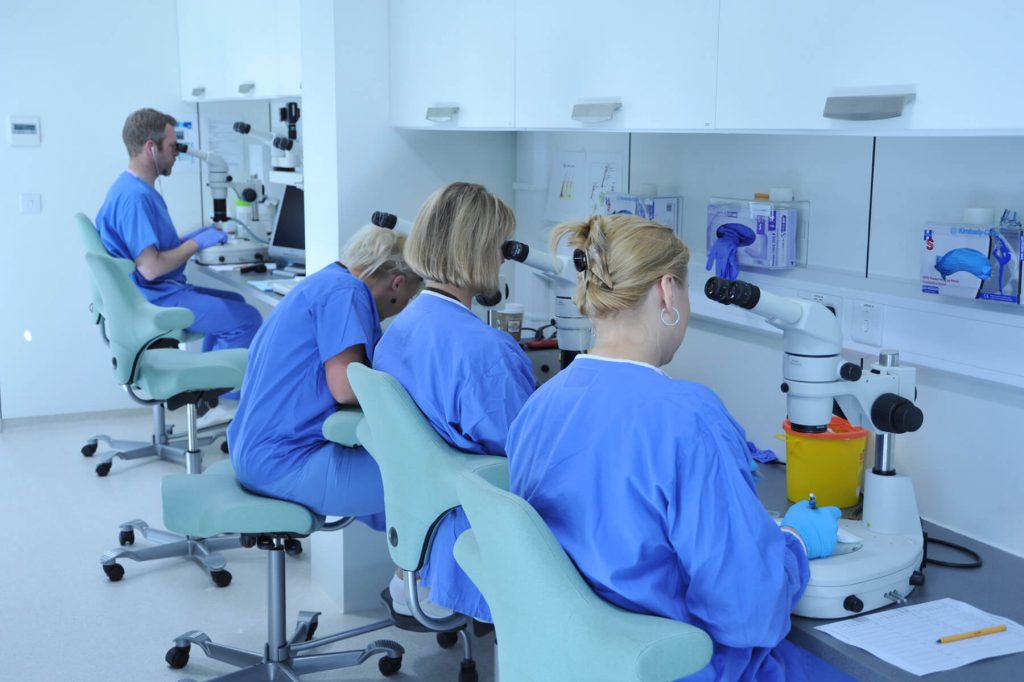
What is Effluvium?
The medical term for the shedding of hair is Effluvium or Telogen Effluvium. It can be caused by factors such as childbirth, crash diets, thyroid conditions, drugs and anaemia.
The condition is usually temporary and is best treated by a qualified dermatologist.
Why can some hair fall out after a hair transplant?
About 3 weeks after surgery it is normal for patients to experience some shedding of the hair that has been transplanted. This is perfectly normal and nothing to be concerned about. The transplanted hair roots become temporarily dormant. This usually only affects the hair that has been transplanted. The new hair will usually start to appear 4-6 months after a transplant. The full effect of the transplant can be seen about 12 to 18 months post-surgery.
Shedding of hair that has not been transplanted is rare. It is more common in female patients than in male patients. This shedding is temporary and will resolve itself.
What can be done to avoid shedding following a hair transplant procedure?
The team at HRBR have years of experience in caring for patients following their hair transplant. In our experience the use of Minoxidil 5% foam, before and after surgery, can reduce the rate of shedding after the procedure.
Complications / Risks
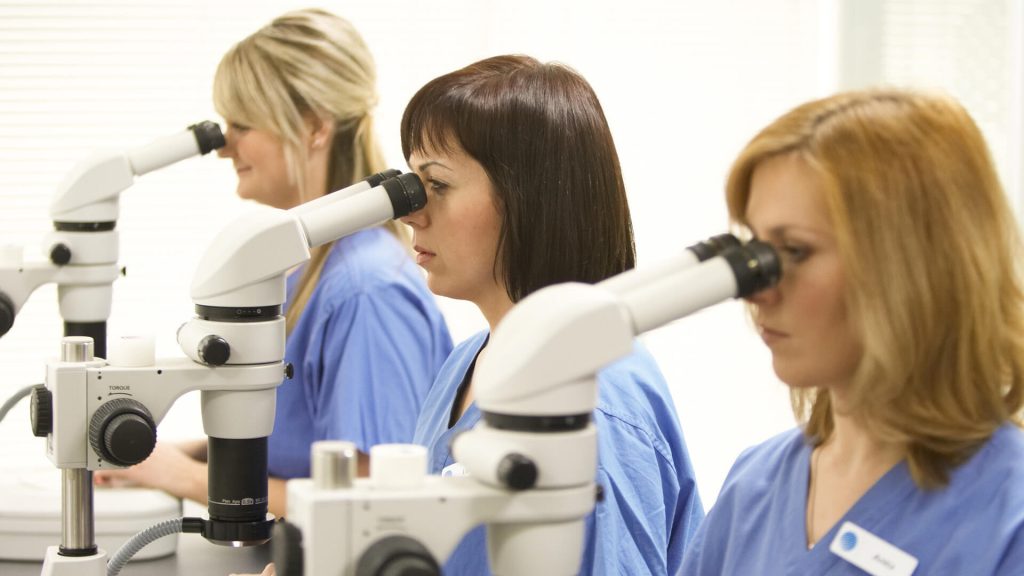
FAQ – What are the risks of hair transplant surgery?
Hair transplant surgery is an extremely safe out-patient procedure
Speak to a surgeon today about your treatment options
Does hair transplant surgery result in scarring?
Whenever human skin is cut, it heals itself through a process called “fibrosis”, commonly known as scarring. The healing sites around the transplanted hairs are tiny . They are virtually undetectable even on close inspection. Hair Transplant procedures at HRBR are designed to produce a very natural look.
The degree of scarring in the area where the hair is taken around the back and sides of a patient’s scalp depends on several factors. The patient’s own ability to heal, the skill of the surgeon carrying out the transplant and the technique used. For FUT procedures a fine linear scar will be left, for FUE procedures numerous small circular scars will be left. Any clinic claiming to have a scar free procedure should be viewed with caution. It is not possible to cut the human skin without leaving some scar as this is how the human body heals.
What are the potential side effects or complications of hair transplant surgery?
There can be some minor temporary complications or side effects associated with hair transplant surgery. They are as follows: Swelling; Bleeding; Pain; Numbness; Infection; Thinning of Pre-Existing Hair; Hiccups; Itching; Keloid Scarring; Cysts and Lost Grafts.
Swelling
Some mild swelling may occur after the procedure. This is normal. Very rarely, there can be swelling of the forehead for a couple of days after the transplant. Even more rarely, there can be enough forehead swelling that it then causes swelling and bruising on the lower eyelids. This “black eye” develops in roughly 1% of cases and occurs two to four days after surgery. In the unlikely event you suffer from excessive swelling please contact the clinic.
Bleeding
Slight bleeding may occur after surgery around the stitches in the donor area. If it does, keep your head elevated and place some gauze on the area. Apply constant pressure with the palm of your hand for up to 10 minutes. Persistent bleeding occurs in roughly one in a few hundred cases.
If a graft is dislodged, the incision site might bleed. Should this happen, apply pressure to the area with a tissue. If these efforts do not stop the bleeding please contact the clinic.
Pain
Some mild discomfort may occur. If necessary, it can be controlled by the pain medication provided at the end of the surgery. Having said this, half of our patients do not tend to require any pain relief. Those who do take Solpadeine or Panadol for a few days following the hair transplant.
Numbness
Some temporary numbness is inevitable. It is usually experienced around the donor area or graft sites. It generally lasts from three to 18 weeks. However, it is rarely troublesome or long-lasting.
Infection
Developing an infection following hair transplantation at HRBR is highly unusual due to the high standards in place at the clinic. This is only likely in one in several hundred cases. It is easily treated with antibiotics. If any significant redness, tenderness or local pain is noticed please contact the clinic.
Thinning of Pre-Existing Hair
Although rare, some pre-existing hair can thin following surgery. This is temporary and it will return to normal, full condition within a few months. Learn more about “effluvium”.
Hiccups
Hiccups occur after surgery in approximately 5% of cases and usually last from several hours to several days. The cause is unknown.
Itching
Some degree of itching is common with hair transplantation. It is rarely troublesome and lasts only a few days. Spraying the area in the initial few days and then shampooing the hair daily will help the discomfort.
Keloid Scarring
“Keloid scarring” is an abnormal scar that grows beyond the boundary of the original site of a skin injury. It is a raised and ill-defined growth of skin in the area of damaged skin. It only occurs in pre-disposed individuals, and even more rarely (1 in 1,000 cases) can this scarring cause a ridging effect.
Cysts
When many grafts have been transplanted one or more cysts may develop. Cysts usually disappear by themselves after a few weeks. They can also be treated quite effectively. They are generally no more than 2 or 3mm in diameter, similar in size to small pimples.
Lost Grafts
The odd graft may be dislodged accidentally and fall out. This will not significantly affect the overall result of your hair transplant.
Work / Exercise
Content reviewed and updated: April 2024
How soon after the procedure will I be able to resume work?
Most patients undergoing an FUT procedure will return to work 3 days following their procedure. Most patients undergoing an FUE procedure will wait up to 2 weeks before returning to work to allow some of their hair to regrow as the entire head is shaved when undergoing an FUE procedure.
Find out more about the differences between FUT and FUE.
It is not possible to wear a hat for two weeks following either procedure as this time is required to allow the hair to become secure in its new location. Therefore, patients with jobs that require the wearing of a hard hat, helmet etc. should plan for 2 weeks away from work following their procedure.
Is it a good idea to keep the scalp covered by a hat or hair-piece?
No hats or hair pieces can be worn for 2 weeks following surgery as detailed above.
Continuous use of hair pieces is not encouraged as the scalp needs to “breathe” in order to heal optimally. However, those who wear hair pieces may continue to do so until the transplanted hair has grown, provided the hair piece is not worn continuously. Caps or hats may be worn as desired.
Growth of the transplanted hair is normally seen at 6 months following surgery with the hair normally fully grown by 18 months.
How soon can I exercise after treatments?
It is recommended to avoid strenuous physical activity for 4 weeks post operatively for FUT hair transplants and for 2 weeks for FUE hair transplants. This is to avoid the stretching of the scars.
What about swimming?
Swimming in a swimming pool is not permitted in the first two weeks following surgery to avoid infection as the water can contain chemicals as well as harmful bacteria and should be avoided until the healing process is complete. Gentle sea swimming is possible during this time.
FAQ Video – Returning to Work
Find out more about returning to work and exercise after a hair transplant by watching our FAQ video.
About the Procedure
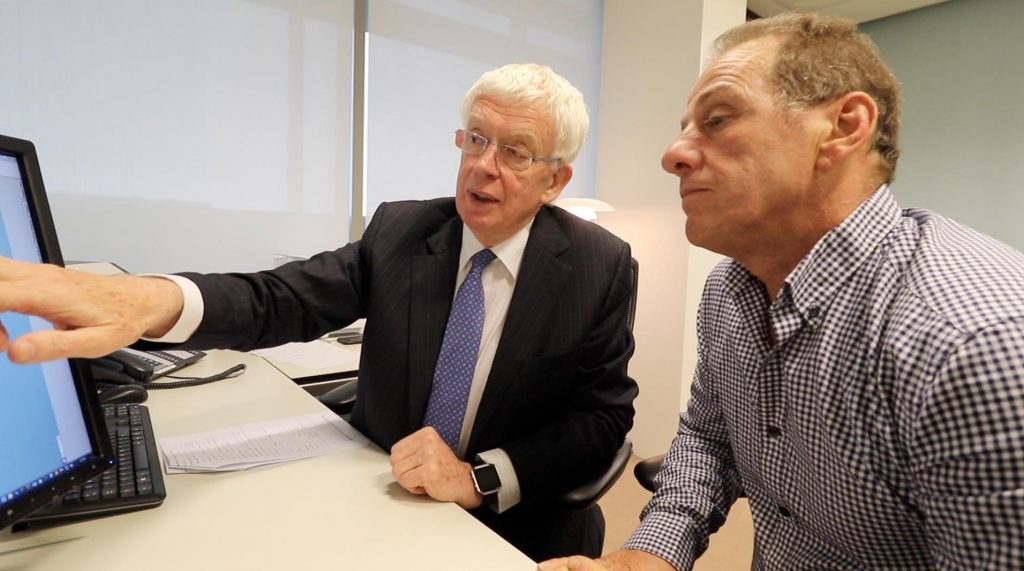
What am I doing while my treatment is taking place?
You may watch TV, listen to music or engage in conversation. Each treatment room is equipped with a TV, DVD, MP3 and CD Player.
How many grafts are placed at each session?
During your consultation the total number of grafts necessary will be estimated. The number of grafts placed at each session may vary. This depends on the extent of baldness and your available donor hair.
Does it hurt?
The great majority of our patients are quite comfortable both during and after their hair transplantation procedure
Speak to a surgeon today about your treatment options
How is this surgical procedure performed?
Hair transplantation is a minor surgical operation which requires only local anaesthetic. There is initially some discomfort associated with the administration of the local anaesthetic. This is of very short duration. We have developed techniques to reduce this discomfort, and most patients tolerate this brief period very well.
The donor area (the back or sides of the scalp) as well as the recipient area (the bald or thinning area) are made numb with the local anaesthetic. Nowadays large grafts have been completely replaced by smaller grafts (follicular units). These smaller grafts produce a much more natural transition from thinning or baldness to increased hair growth. In most cases where very small grafts are used, the surgery can be accomplished almost without detection.
What is the procedure for small grafts?
For an FUT procedure, having calculated the amount of donor hair required, the hair to be transplanted is trimmed close to the scalp. The desired amount of donor skin and hair are then removed. This donor site is then stitched usually resulting in a fine scar which is covered by your existing hair. The scar is usually only detectable on close inspection. The donor hair-bearing skin is then dissected, using high-powered microscopes, into very small pieces. The slivers are then divided into individual hair follicles. All of this work is done using the microscope. These grafts are then carefully inserted into small openings made in the recipient area.
How long does the surgery take?
At HRBR we have a team of 18 nurses and technicians who are highly skilled in these techniques. Most operations take between 6 and 8 hours. This is exacting work and, therefore, requires considerable time.
What type of preparation is required prior to hair transplant surgery?
Detailed pre-operative instructions are forwarded to each patient prior to the surgery date. Patients also complete a Consent for Surgery form. We also highly recommend scalp massage pre surgery.
What is the time interval between hair transplant sessions?
Minimum time intervals will depend upon individual circumstances. Usually 6 months is allowed between sessions at the same recipient site to allow the transplanted hair to grow out. This is so it will not be damaged when making the new incisions at subsequent sessions. There is no maximum interval between sessions.
Watch How does a hair transplant work?
Watch How soon will I see a result?
Watch Will I need a general anaesthetic?
Watch Will it hurt?
General Questions
About Hair Loss
What are the reasons for male pattern balding?
There is no cure for hair loss in men but there are solutions
Read more about hair loss and treatment options
Can you predict hair loss?
Hair loss cannot be precisely predicted. A comparison with an older relative such as a father or maternal grandfather will provide a good indication. The gene for baldness may well skip generations and/or individuals in the same family.
What is the difference between density and fullness?
Several factors contribute to hair that appears “thick” or “full”. Density, the number of hairs per sq.cm., is only one of these. Other factors include hair shaft diameter, colour, texture, and curl. These may be of equal or even greater importance than density in contributing to the appearance of a “full” head of hair.
In the early stages of balding the “thin look” is caused by a process called “miniaturization”. Hair is reduced in size but not actually lost. Therefore, while the density remains the same, an individual’s look of fullness can be significantly reduced.
Is my visit confidential?
At HRBR, we understand that hair loss can be a very sensitive subject for our patients. We carefully plan all appointments so that our patients rarely cross paths. All patients are shown to a private waiting room which is theirs to use alone while waiting for their consultation. All patient information is stored in our secure, password-encrypted database to ensure complete confidentiality.
Hair Transplants
Is removing large amounts of donor hair unsafe?
The amount of donor hair required for the average large session of hair transplant surgery is well within safe limits. The hair restoration surgeon must ensure that the amount of hair that is taken from the donor area is appropriate and safe. This decision should be based on his or her experience.
Is it true that the blood supply of the scalp cannot support a large transplant?
The blood supply of the scalp is among the richest in the entire body. It can support the growth of many grafts. At HRBR, we can often transplant up to 4,000 grafts or 8,000 hairs in one hair transplant procedure using FUT.
Why do some hair transplants look so unnatural?
At HRBR, we use Follicular Unit Transplantation (FUT) and Follicular Unit Extraction (FUE) which result in a very natural appearance. Great care is taken in the design and planning of every patient’s hair transplant at HRBR to ensure that the transplant remains completely undetectable.
There is no excuse whatsoever for a hair transplant to look unnatural. If it does, it is simply because it is a bad hair transplant.
What makes HRBR different to other hair restoration clinics?
HRBR is one of the leading hair restoration clinics in the UK and Ireland. It is one of the few, if not the only, clinic anywhere in the world where patients are dealing with qualified medical professionals throughout the entire process. Our hair transplant surgeons are vastly experienced and have over 80 years of combined experience in the UK and Ireland. They have 20 degrees, including nine fellowships, to their names; and have trained with renowned international experts in the hair restoration field. All interaction with HRBR is with our qualified medical professionals. There are no commercial salespeople involved at HRBR.
HRBR is also the only stand alone hair transplant clinic anywhere in the world with JCI accreditation, ensuring the highest standards of quality and patient safety.
Speak to a surgeon today about your treatment options
We maintain the highest possible clinical standards by continuously training our staff. This is done through in-house programmes and participation at training seminars and conferences. We also conduct rigorous annual reviews.
Hair transplant surgery is a difficult decision – have you any words of wisdom?
Nobody necessarily needs a hair transplant. Trimming hair short and getting on with life is an option for some men with hair loss. The public often have little tolerance for bad hair transplants, comb-overs or wigs however they find baldness completely acceptable. It is the sufferer who often does not.
If you are considering a hair transplant, the first thing to say is that you should thoroughly research the subject to properly understand the procedure. Make sure that the team providing the treatment for hair loss can meet your expectations. Beware of commercial hair restoration clinics and salespeople who are not medically qualified to advise you. And remember that nobody can give you back a full head of hair.
The hair transplant should deal with your immediate hair loss concerns but must also take into account your future hair loss as you age. Planning for the future is critical as a hair transplant is permanent and will last for the rest of your life.
The final decision should be made by you and you alone. Nobody should influence your decision, not family, friends, doctors or salespeople. You are the only person capable of making this crucial decision. It is your self-image and appearance that is going to be changed. Take as much time as necessary to reflect wisely and to make a well-informed decision.
What we say at HRBR is that if you are unsure about whether or not to have a hair transplant, we advise you not to proceed until you are.
FUT or FUE
What is FUT? (Follicular Unit Transplantation)
Everyone suffering from pattern hair loss has an area of hair on the sides and back of the head which is less affected by the balding process. This region is known as the “donor” area. The difference between FUT and FUE is how the hair is removed from the donor area. HRBR is an expert at both FUE and FUT hair transplant surgery.
With FUT, a thin strip of skin containing this hair is surgically removed from the donor area. Due to the flexibility of the skin of the scalp, the incision can be stitched together again. This usually results in a fine scar which is covered by existing hair. Even if the hair is short, the scar should only be detectable on close inspection.
The hair bearing skin is then dissected by highly trained and experienced technicians using high-tech microscopes. Excess skin attached to the graft is removed to ensure that when the hair grows in the transplanted area, it looks completely natural. If this skin is not removed it can lead to an unnatural appearance.
The resulting grafts are known as follicular units. Tiny cuts or incisions are then made in the balding area. The size, shape and angle of the incision is critical to how natural the result will look. It is at this point that the art meets the science in hair transplant surgery. Prior to making the incisions the surgeon will already have planned the hair transplant design. This is done in consultation with the patient. Thousands of grafts will be placed during the hair transplant.
What is Follicular Unit Extraction (FUE)
Follicular Unit Extraction (FUE) is another method of obtaining donor hair.
Before any patient makes a decision as to what techniques they wish to choose, a consultation with a properly qualified doctor is essential
Speak to a surgeon today about your treatment options
Once the hair is removed from the donor area using FUT or FUE the method of transplantation is the same.
FUE: what about scarring?
FUE does result in scarring however the circular scars are usually more spread out across a larger area. For some patients that like to wear their hair very short it is a preferable option as the scars can be less obvious than the linear scar left from the FUT procedure.
Some advertising by commercial FUE hair clinics has stated that follicular units can be extracted from the scalp with “no stitches, no scars, no pain”. As skin cannot be broken without leaving a scar, however small, this is completely false. It is not possible to remove the hair follicle and its root from the scalp without leaving some degree of scarring.
How does FUE compare with FUT?
Both techniques have their advantages and disadvantages, some of which are listed below;
- For patients undergoing an FUE procedure usually the entire scalp must be shaved in advance of their procedure. With an FUT procedure only the area of hair to be removed is trimmed.
- In an FUE procedure the graft yield is sometimes lower than with FUT which means you get less donor hair for transplantation. This is because it is not possible to harvest as much hair.
- In an FUE procedure the growth rate of the grafts is sometimes lower as the accuracy of the punch tool used is not as good as a skilled technician using a microscope.
- A stitch is required in an FUT procedure; in an FUE procedure no stitches are needed.
For patients that like to wear their hair very short FUE may be the preferable option as the scars resulting from the FUE procedure may be less noticeable in very short hair as they are more spread out. - Should a patient decide to return for a 2nd or 3rd FUT hair transplant procedure a skilled surgeon can remove the scar from the patient’s previous surgery. With the FUE technique this is not possible and new scars will always be created with subsequent surgeries.
- Before any patient makes a decision as to what techniques they wish to choose, a consultation with a properly qualified doctor is essential.
For many patients the optimal treatment plan would involve the use of both techniques over the patient’s life and therefore it is important for patients to attend a clinic that can offer both techniques to them.
What is a Hair Transplant?
For patients suffering from pattern hair loss, the hair on the back and sides of the scalp tends to be permanent, in hair transplantation this area of permanent hair is known as the donor area. During a hair transplant hair bearing skin from this area is removed by the surgeon. This is done either graft by graft using a punch tool (Follicular Unit Extraction “FUE”) or in a long thin strip using a scalpel (Follicular Unit Transplantation – “FUT”). In an FUT transplant, the hair bearing skin is then dissected by highly trained and experienced technicians using high-tech microscopes.
I have had 2 hair transplants and I am very pleased with the results. In fact, I’d go as far as to say they’ve changed my life
James Nesbitt
The grafts produced are known as follicular units. Using the FUT process, the integrity of each follicular unit in the skin is maintained. It is important to point out that there is a major difference between mini/micro grafting and FUT. In mini/micro grafting small grafts are cut to size without respect for the integrity of the follicular unit.
Tiny cuts or incisions are then made in the balding area. The size, shape and angle of the incision is critical to the how natural the result will look. It is at this point that the art meets the science in hair transplant surgery. Prior to making the incisions the surgeon will already have planned the hair transplant design. This is done in consultation with the patient. Thousands of grafts will be placed during the hair transplant
When explaining the difference between the methods of hair transplant it is useful to imagine transplanting a bed of prize rose trees
Speak to a surgeon today about your treatment options
More about our top hair transplant surgeons